Miraeyeon Clinic
- HOME
- Miraeyeon Clinic
- Infertility Clinic
Infertility Clinic
Laboratory-assisted procedures
-
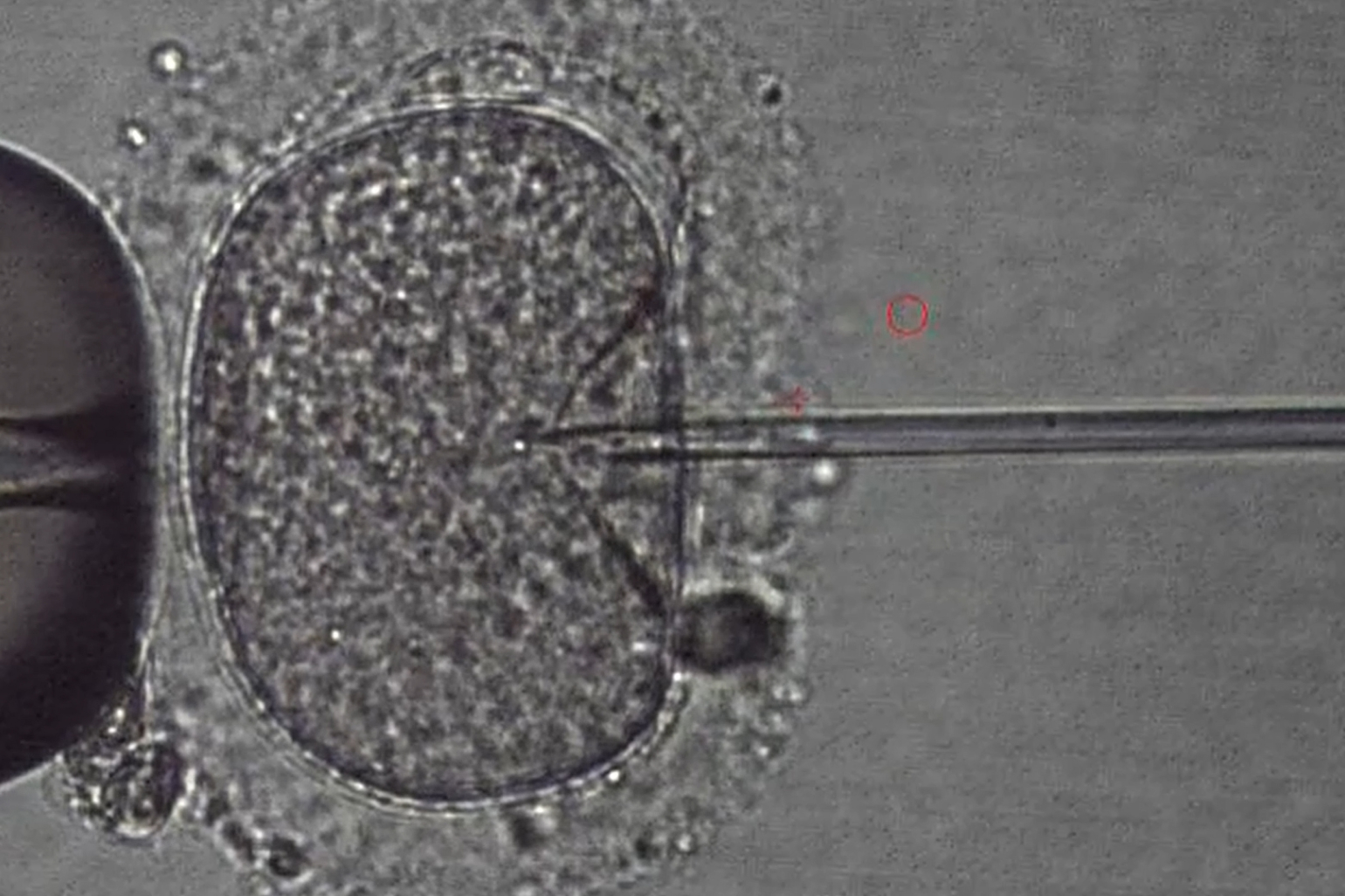
01Intracytoplasmic sperm injection (ICSI)
Unlike conventional IVF, where oocytes and sperm are collected and natural fertilization is induced in an incubator, in some cases it is necessary to directly inject a single sperm with good motility and morphology into a single oocyte under a microscope; this procedure is called intracytoplasmic sperm injection (ICSI). When the sperm condition is poor or fertilization rates after natural IVF are low, performing ICSI helps improve fertilization and pregnancy rates.
-
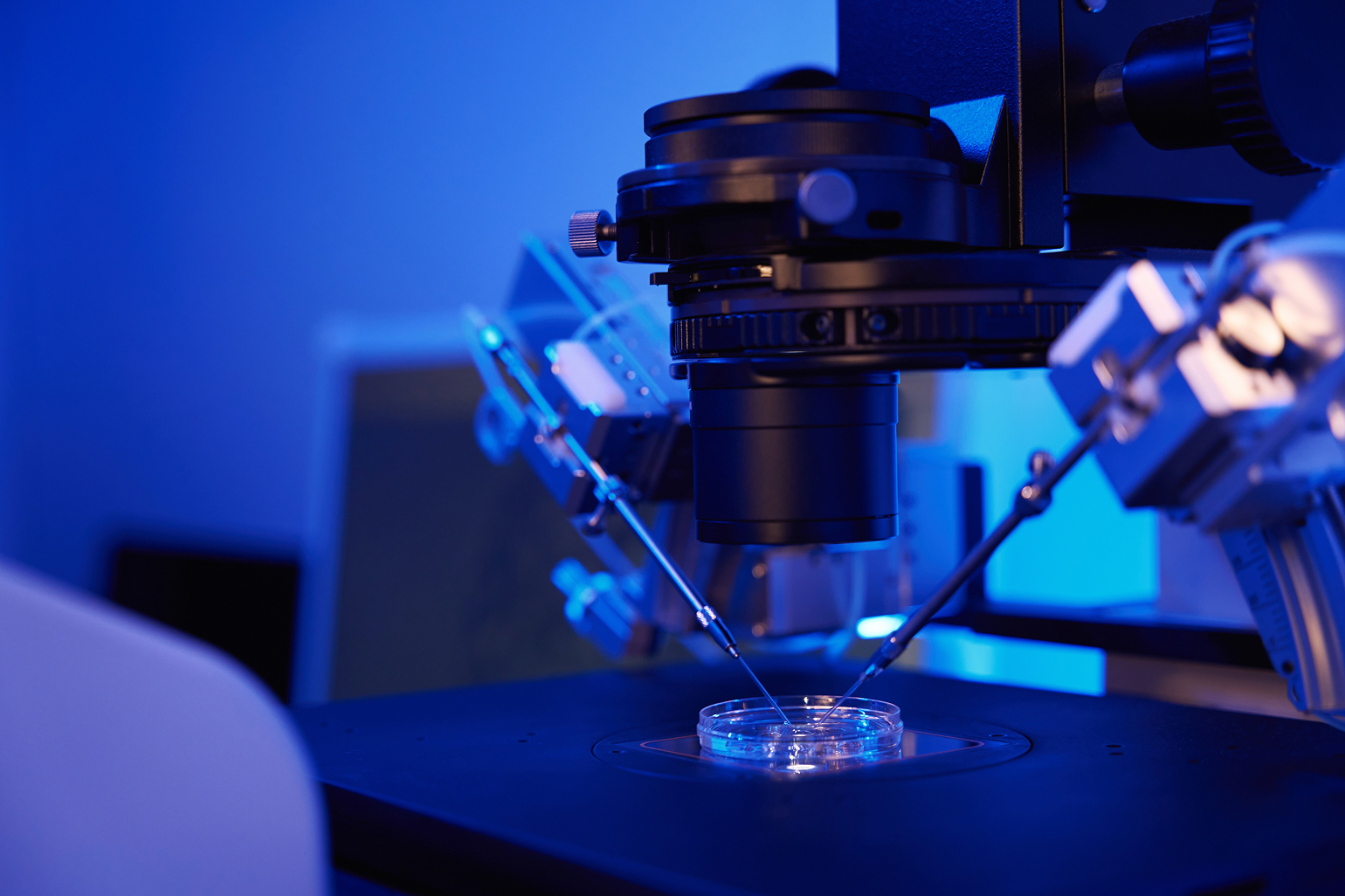
02Physiologic intracytoplasmic sperm injection (PICSI)
This is a method of selecting mature sperm for injection using a special culture dish coated with hyaluronic acid.
-
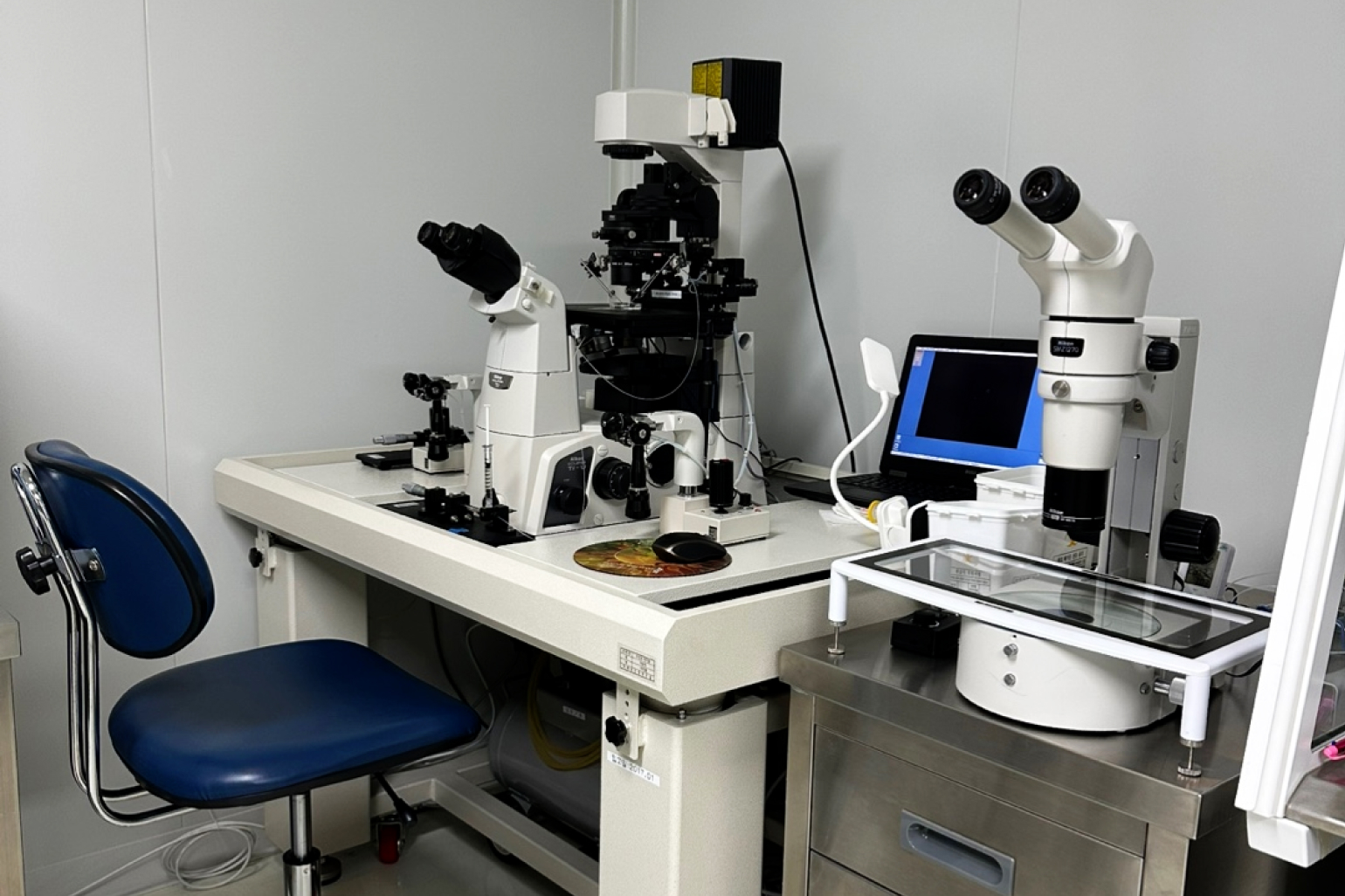
03Polarized light microscopic sperm injection (SICSI)
In some oocytes, the spindle apparatus is located in different positions, creating a risk of spindle damage during micromanipulation. By using a polarized microscope to observe the spindle position and performing microfertilization at the proper site, fertilization rates and the likelihood of normal embryo development can be increased.
-
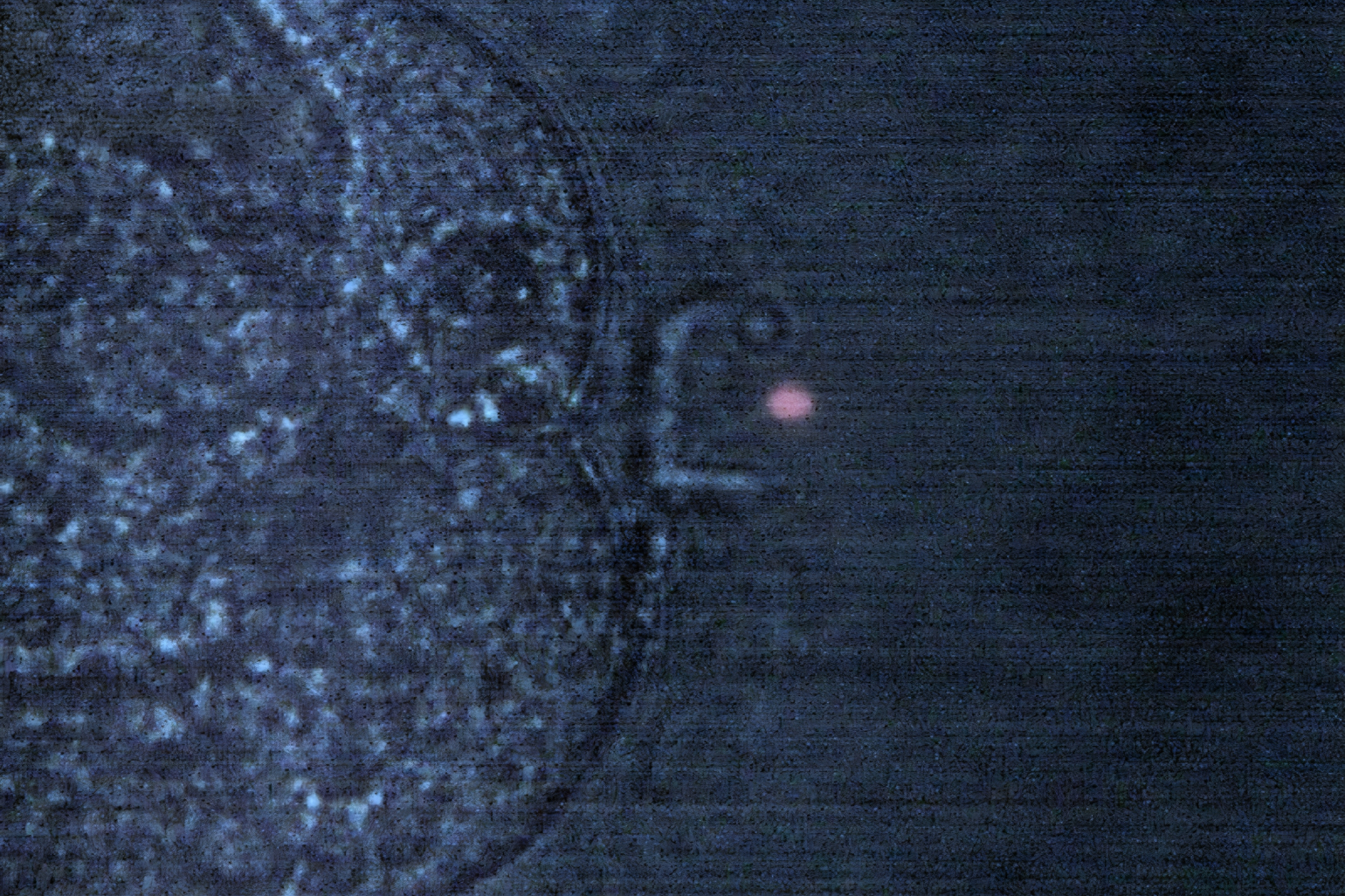
04Laser-assisted hatching
In natural pregnancy, before implantation into the endometrium, the embryo breaks through the outer gelatinous membrane called the zona pellucida. If the zona pellucida is thick before embryo transfer, a small hole is made with a laser to help implantation.
-
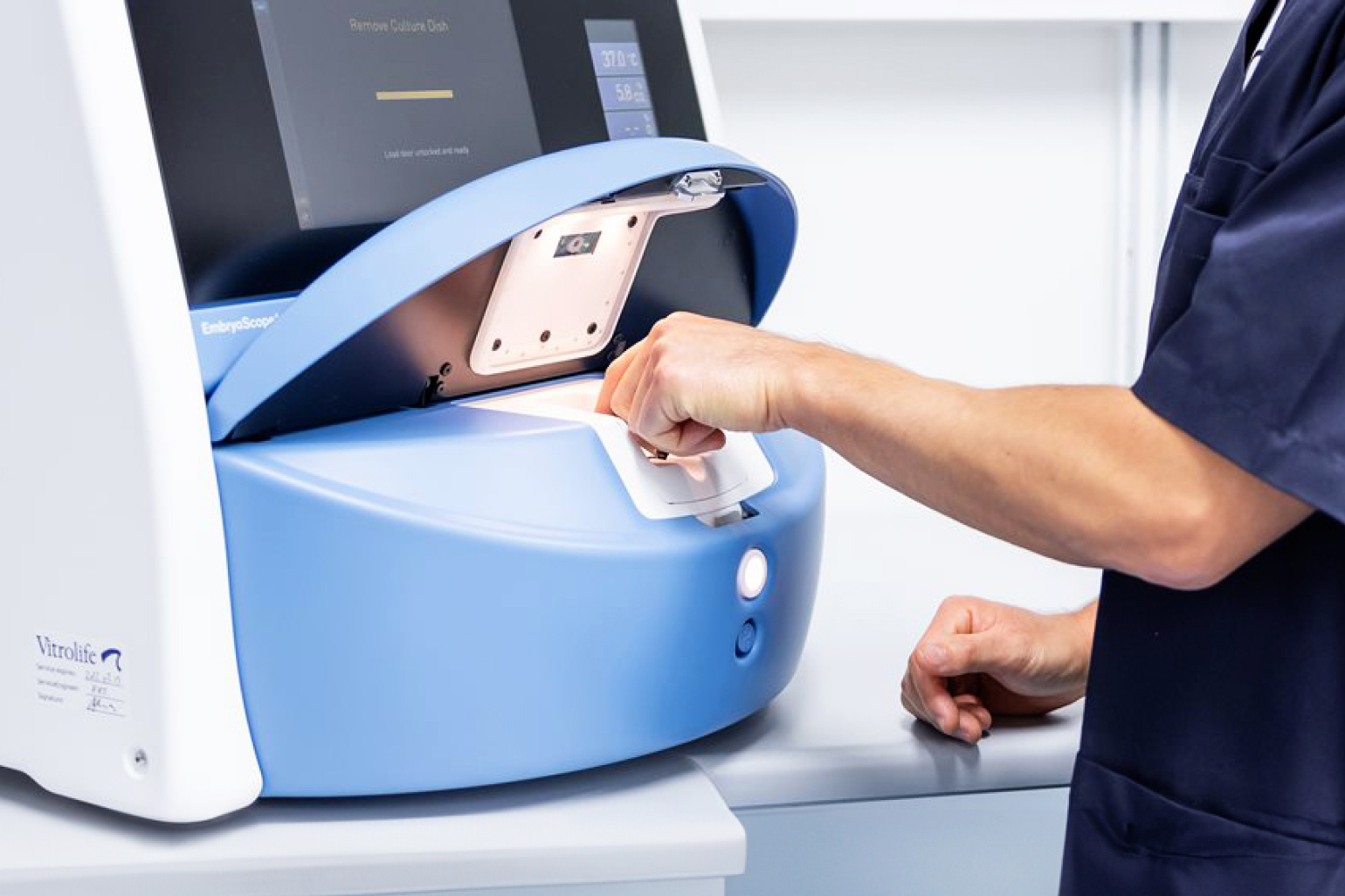
05Real-time embryo observation (time-lapse)
A time-lapse incubator is an incubator that allows continuous observation of embryos without taking them out. Using time-lapse reduces embryo exposure to the external environment, provides a safe culture condition, and allows the selection of normally developed embryos.